The price of capitulation
Susan Collins and Greg Abbott were long judged on their own terms. Then they gave in to Trump.
In my last post, I talked about the historic landslide win and what it means for the American people. In this post, I want to highlight two races that stood out to me: the re-election bids of Senator Susan Collins in Maine and Governor Greg Abbott in Texas.
Party-agnostic
The two had one thing in common. They were locally popular, and in past elections they performed independently of their party.
In 2020, Collins won re-election by 8.59 points while Biden carried Maine 53.09% to 44.02%.1 The difference came in towns along the southern coast: “Gideon won towns like Scarborough, Old Orchard Beach, York and Saco, but only by 5- or 7-point margins,” while “Biden won those same places by 20 points and sometimes more.”2
In 2018, Abbott won 55.81% to 42.51% on the same ballot where Ted Cruz barely held his Senate seat, 50.89% to 48.33%.34
In other words, voters for a long time judged these candidates on a party-agnostic basis. This election showed that voters are no longer extending that generosity. Democrat Troy Jackson beat Collins 53.8% to 46.1%,5 and Democrat Gina Hinojosa beat Abbott 53.0% to 45.6%.61
Object, then give in
What prompted the change? The American people are fed up with capitulation.
Collins voted to advance Trump’s tax and budget bill before voting against its final passage. Jackson called her “an arsonist who helps set the fire and then she wants credit for bringing a cup of water to put it out.”7
Abbott “was initially resistant” to a mid-decade redistricting “pushed by President Donald Trump’s political team.” Then “Trump placed a call to Abbott,” and the governor “subsequently agreed to put it on his agenda for the special session.”8 One phone call was all it took.
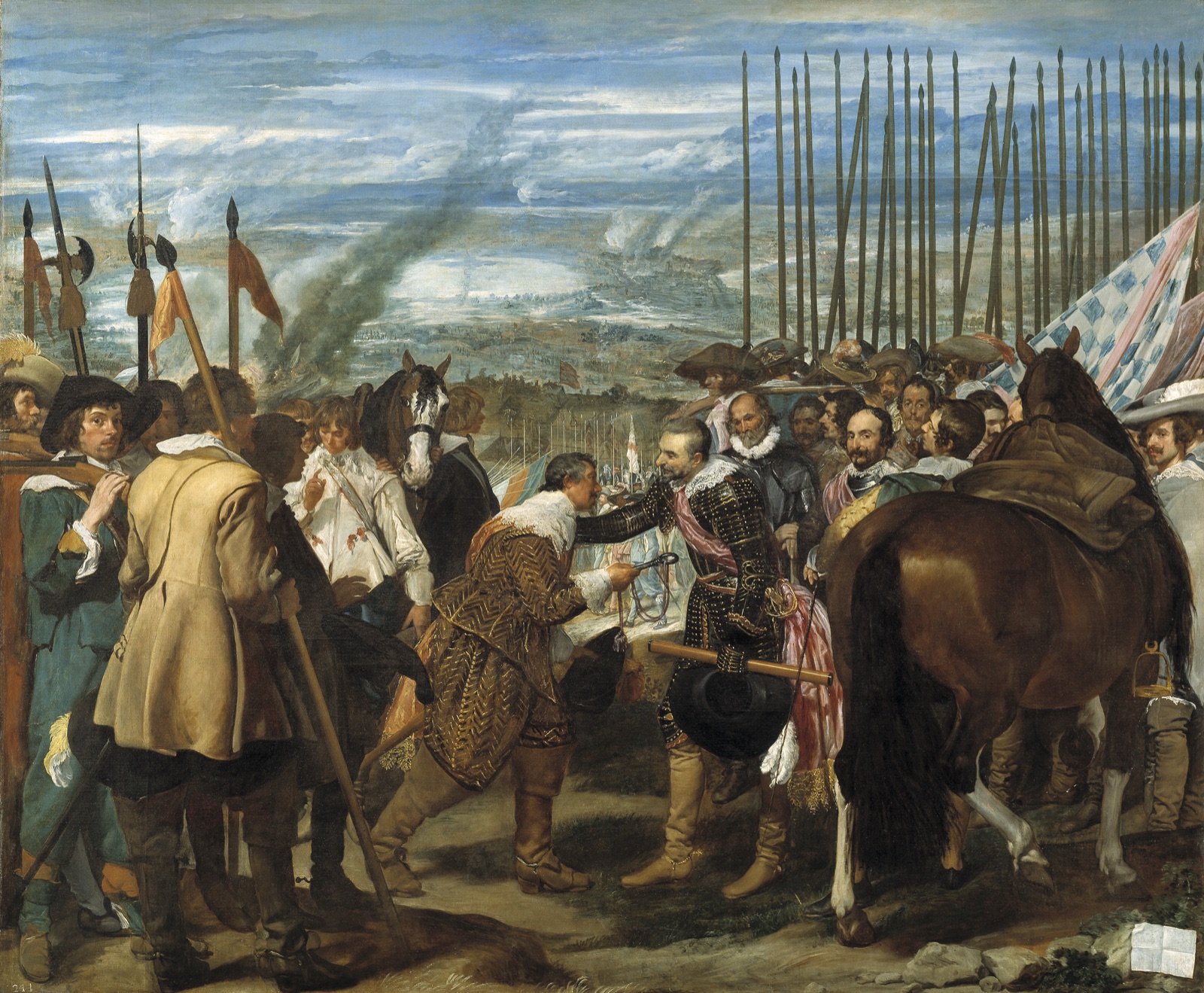
Voters noticed. Collins’s approval fell from 47% at the end of 2024 to 38% by mid-2025.9 By September, 71% of Jackson’s supporters said theirs was a vote against Collins, not for Jackson.10
Living with power
Collins and Abbott had voters to answer to. Most of us don’t, which makes the harder question ours: how do we coexist with greater forces that are antithetical to our core values?
Some answer with submission, and last night we saw the price of that. Others never bend. Harvard told the administration it “will not surrender its independence or relinquish its constitutional rights,”11 and a federal judge later found the funding freeze that followed was “retaliation for protected speech.”12
Still others cooperate, up to a line drawn in advance. Brown struck a deal to restore its federal funding, with terms that include “a clause saying the government cannot dictate curriculum or the content of academic speech at Brown.”13
How far can you bend before you can’t stand back up? I don’t know yet. But last night was a good reminder to all of us that we never want to bend the knee too hard, lest we lose the ability to stand.
Sources
- Democracy in Action 2020 Maine results. democracyinaction.us
- Maine Public on ticket-splitting in 2020. mainepublic.org
- Wikipedia 2018 Texas governor’s race. en.wikipedia.org
- Wikipedia 2018 Texas Senate race. en.wikipedia.org
- NBC News Maine Senate results. nbcnews.com
- NBC News Texas governor results. nbcnews.com
- AP via Boston.com on Collins’s concession. boston.com
- Texas Tribune on Abbott and redistricting. texastribune.org
- Maine Wire on Morning Consult’s approval tracking. themainewire.com
- WABI on the CNN/SSRS poll of Aug 31 to Sept 6, 2026. wabi.tv
- Harvard President Garber’s letter of April 14, 2025. harvard.edu
- Harvard Crimson on the funding ruling. thecrimson.com
- AP via NBC Boston on Brown’s agreement. nbcboston.com